comparisons
iSCSI vs SMB for a Homelab NAS: Which One to Pick
iSCSI vs SMB on a homelab NAS: pick SMB for shared files, Macs and Time Machine, and an iSCSI LUN only for a …
An iSCSI LUN is a block volume inside a target that one host sees as a raw local disk. What backs it, how mapping works, and when to skip it.
Read the article →iSCSI vs SMB on a homelab NAS: pick SMB for shared files, Macs and Time Machine, and an iSCSI LUN only for a …

NFS vs iSCSI for a homelab NAS: pick NFS for shared media, ISOs and backups, and iSCSI only for a disk one ho…
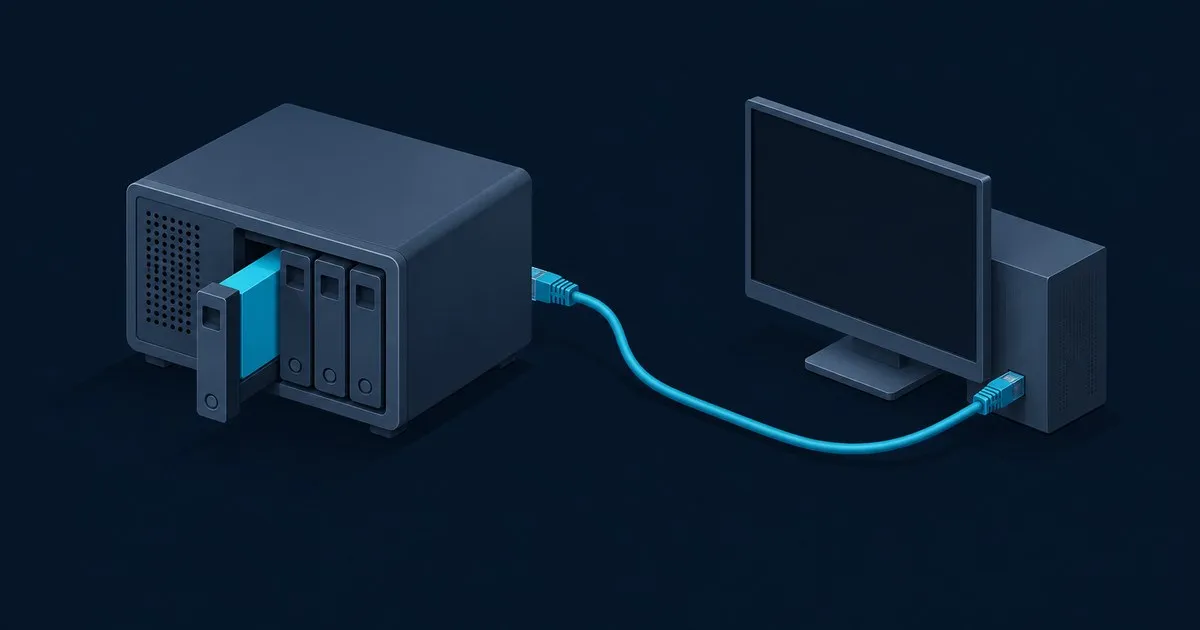
Set up an iSCSI target on TrueNAS 25.10: create a zvol, run the block share wizard, lock it to one IQN with C…
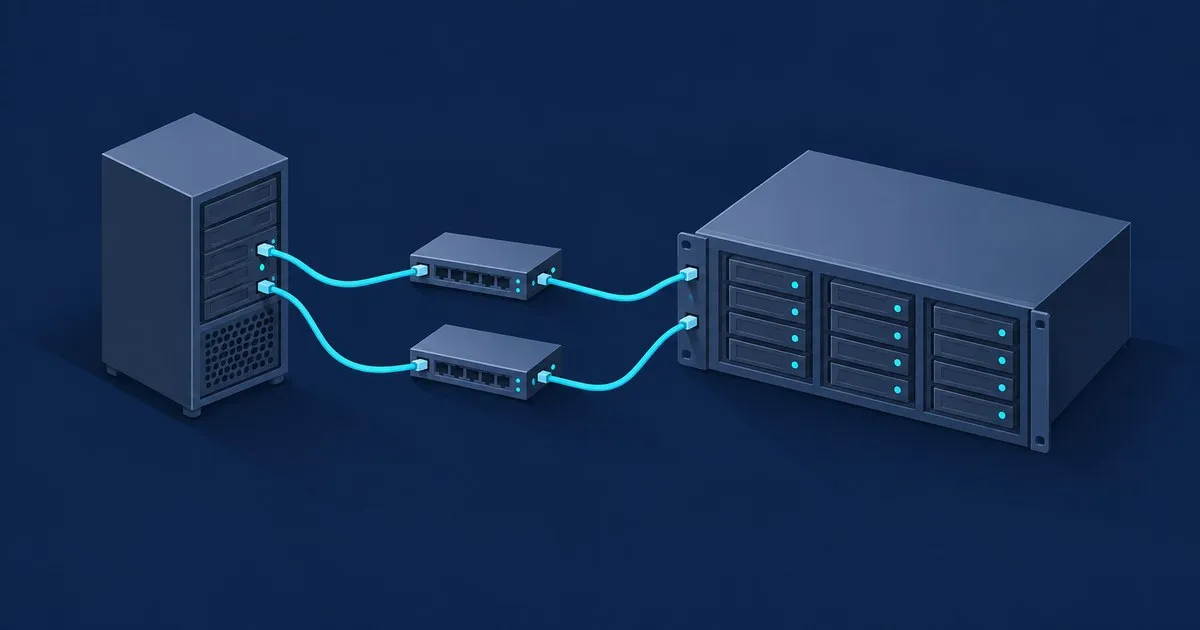
Install the iSCSI Target Server role, create a VHDX LUN, mask it to an initiator IQN, then connect with CHAP …
This comparison explains how iSCSI, NFS and SMB differ in filesystem ownership, locking, path redundancy, sec…
Set up Unraid iSCSI with a community target plugin, pool-backed LUNs and CHAP, then follow TrueNAS, Synology …
iSCSI hands a client a raw disk instead of a share, and almost every problem people hit with it comes from that one difference. These four pages cover it in the order the questions usually arrive.
The guides cover iSCSI SAN targets, MPIO multipathing and LUN provisioning. Begin with the ownership model, choose the protocol your application needs, then follow the target and client configuration for your platform. For an existing connection problem, start with the troubleshooting guide and the message your initiator reports.
What an IQN identifies, what a LUN really is, and why MPIO and link aggregation are not the same mechanism.
Block or file, and what changes with it: locking, path redundancy, authentication and how each one behaves when the storage disappears.
Unraid plugin and pool placement, TrueNAS zvol mappings, Synology SAN Manager, and connecting Proxmox as an initiator.
Portal, discovery, login, ACL, CHAP, MTU, then the timers that decide when a dead path becomes a filesystem error.
iSCSI Hub
Storage protocol comparisonStart with the iSCSI, NFS and SMB overview for filesystem ownership, locking and protocol selection.
iSCSI Hub
iSCSI targets, initiators and LUNsFollow the fundamentals guide for logical units, naming, CHAP and the client connection lifecycle.
SAN Storage Guide
SAN zoning and LUN maskingContinue to the fabric design desk for Fibre Channel zoning, masking and path design around the storage connection.